
Pristatymo terminas visoje Lietuvoje: 5-7 d.d.
Pristatymo kaina nurodytu adresu: Pristatymas nemokamas


Aprašymas
Trumpai apie prekę
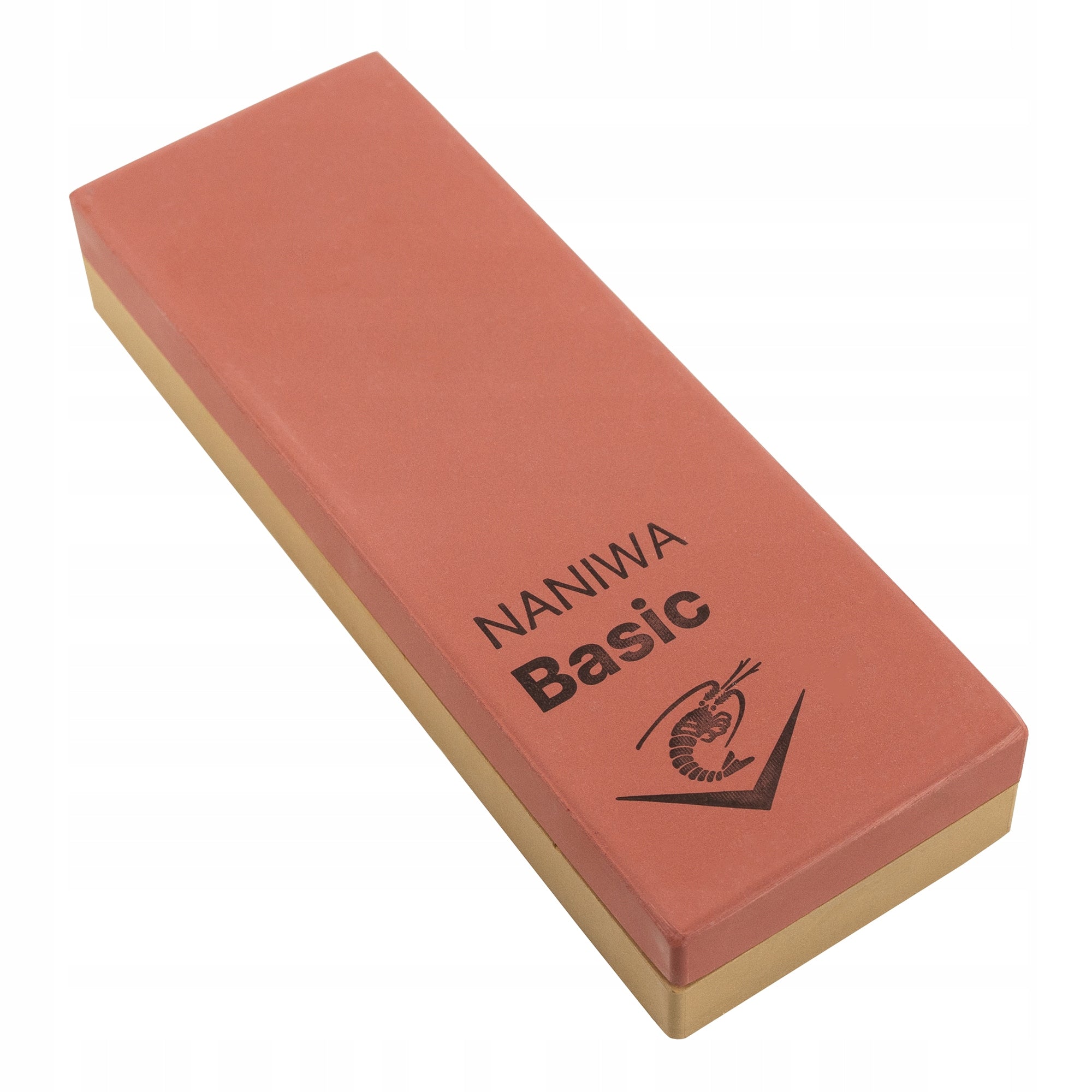
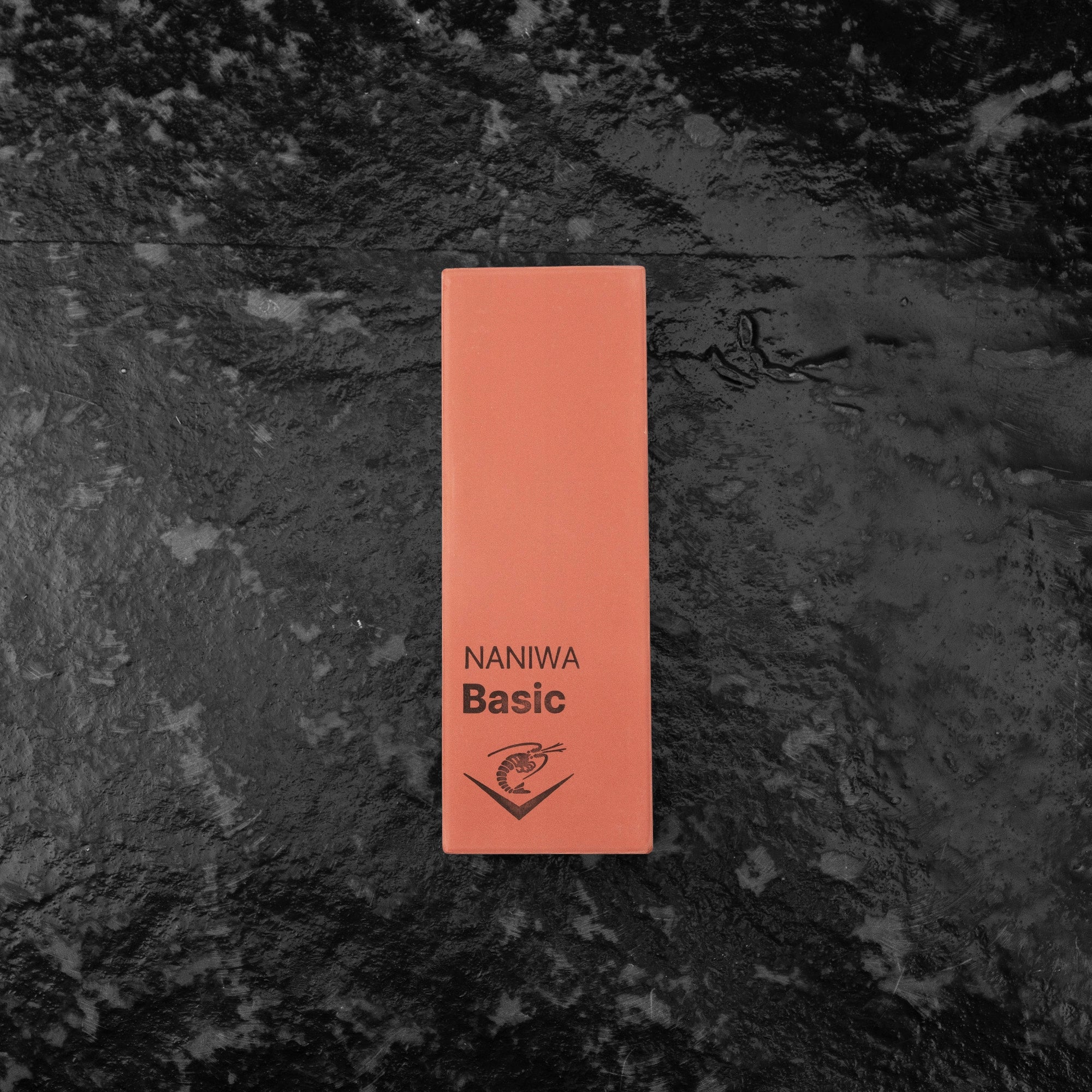
Prekė: Dvipusis galąstuvas Naniwa Basic Multi Stone 1000/3000. Kategorija: Įrankių galąstuvai.
- Gamintojas: Naniwa
- Modelis: 711365
The sharpening stones Naniwa, are a long history of producing the highest quality products from the province of Niigata in Japan. For many years they have been creating stones of the highest quality. The stones have low abrasion, so that even after several years of use, the properties of the stone remain the same. Granulation 1000 designed to sharpen the knife when the blade has not been damaged or completely blunted. Granulation of 3000 is a stone designed for final smoothing, polishing.
Technical data:
- Dimensions: 185 x 65 x 30 mm
- Grain: double-sided stone 1000/3000
- Weight: 767 g
How to use:
- Stone before use should besoaked in water for approx. 10 minutes.
- When sharpening stone should always be on a flat and non-slip surface.
- Because when sharpening the stone is deformed, therefore it should be if possible rotate. This will avoid a significant loss of material in only one place and will extend the life of the stone.
- After use, the stone should be regenerated, i.e. level its surface. Only a completely flat stone will be effective, especially when sharpening wide blades.
Basics of use
- Choosing the right board - Slicing should be done on soft surfaces such as wooden, plastic or rubber boards. Hard materials, e.g. glass or stone, quickly dull the blade.
- Manual washing and quick drying - After each use, wash the knife under running water and immediately wipe dry with a soft cloth. Do not leave the knife in the sink – prolonged contact with water can lead to rusting of steel.
- Safe storage - Knives are best kept in a special block, on a magnetic strip or in protective covers (e.g. saya) to prevent damage to the blade and other kitchen utensils.
- Proper cutting technique - Using the correct cutting technique, without too much pressure, helps to prolong the sharpness of the blade. Avoid moving the knife across the board in a way that can speed up its blunting.
- Regular sharpening - Japanese knives require systematic sharpening on sharpening stones. It's the best way to keep them in perfect shape, and the manual sharpening on the stone allows for precise edge alignment.
What to avoid:
- Dishwasher safe - Dishwasher can damage knife blade as well as handle. Always wash the knife by hand, using mild detergents.
- Slicing on hard surfaces - Glass, marble or ceramics are materials that can easily damage the blade. Slicing on such surfaces significantly shortens the life of the knife.
- Incorrect use - The kitchen knife is a tool for precise cutting of food. Never use it as a can opener, screwdriver, or tool to cut hard materials to avoid damaging it.
How to care for Japanese knives?
Stainless steels, are certainly much easier to handle than their rusty counterparts. They will not cover with patina after cutting citrus, nor will rust stains appear on it, after leaving it for a few hours on a wet towel. The basic principle of maintenance is to wipe the knife dry after using it. The knife should not be left in water or put into a block without wiping. From time to time, it is worth lubricating it with oil. Small dots of rust that can appear on the blade are most often due to the remains of water droplets on the knife, they can be easily washed off with the soft side of the sponge.
Stainless steels, containing a high percentage of carbon, require special care compared to stainless steel. They react quickly to moisture and acidic environments, creating a patina and rust in the long run. It is important to dry it after using such a knife and apply a protective layer of oil - camellia, jojoba or even edible, if we use the knife regularly. You should avoid leaving the knife wet and storing it in damp places. Slicing acidic products, such as citrus, can cause the knife to overlap with a dark patina. To remove discoloration, you can use mild cleaning agents, avoiding those that may leave minor scratches.
Do not wash any knives in the dishwasher, because strong detergents and high temperatures can damage the knife and weaken its sharpness.
Specifications
| Group | Name | Value |
|---|---|---|
| Parametry | Condition | new |
| Parametry | Invoice | With VAT invoice |
| Parametry | Brand | Naniwa |
| Parametry | Manufacturer code | 711365 |
| Parametry | EAN (GTIN) | 4955571291769 |