
Pristatymo terminas visoje Lietuvoje: 5-7 d.d.
Pristatymo kaina nurodytu adresu: Pristatymas nemokamas


Aprašymas
Trumpai apie prekę
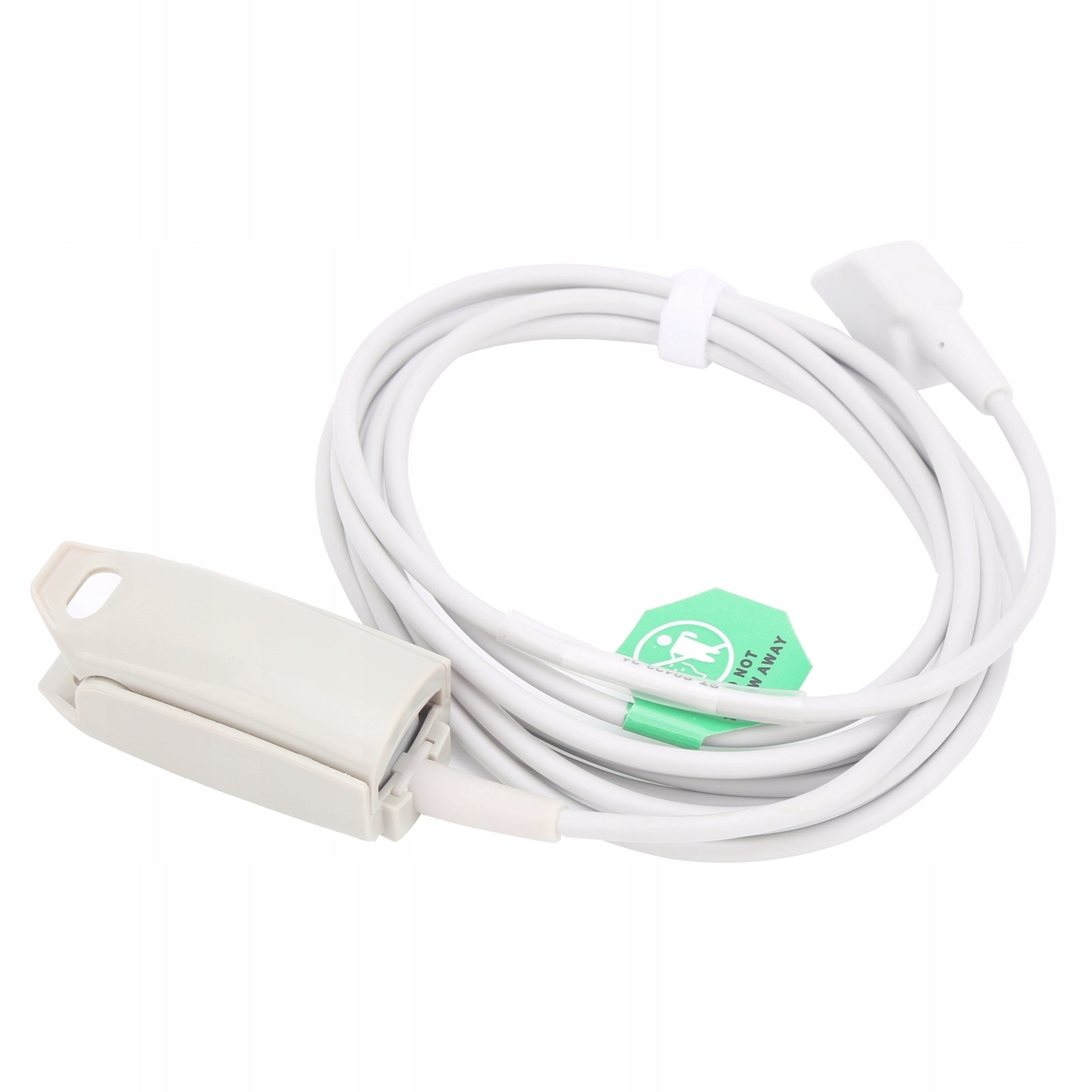
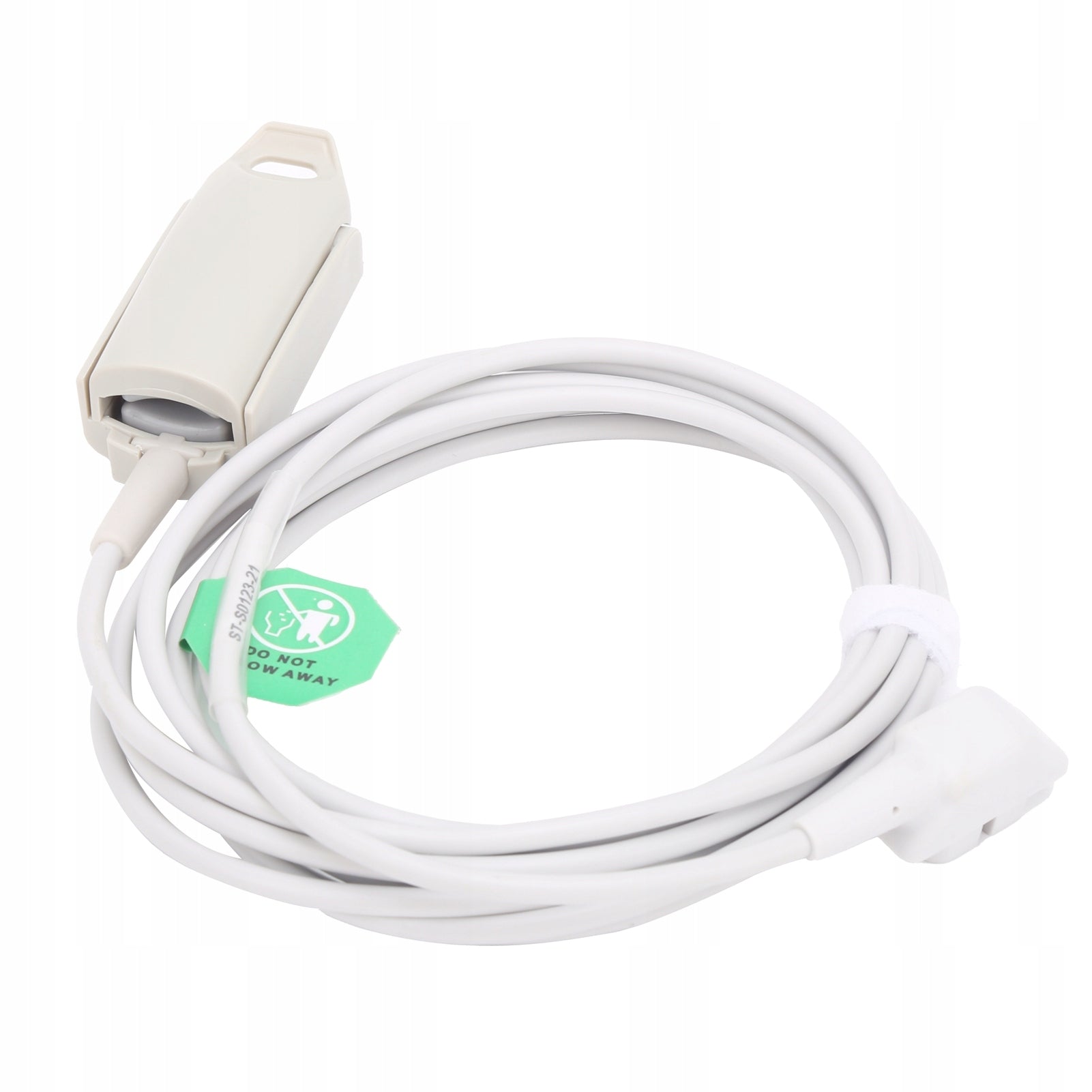
Prekė: Suaugusiųjų SpO2 deguonies prisotinimo jutiklis. Kategorija: Pulso ir deguonies matuokliai.
- Gamintojas: no brand
- Modelis: 2588271111210004911
- Spalva: white
Spo2 oxygen saturation sensor probe for adults, 70~100, per finger, suitable for CSI model
The pulse oximeter probe can be used to measure pulse oximetry and heart rate on the fingers.
Fits CSI models, others do not. The maximum output power is 15 mW.
Used in doNaMs, hospitals, oxygen bars, healthcare facilities, for ciaa care during exercise, etc.
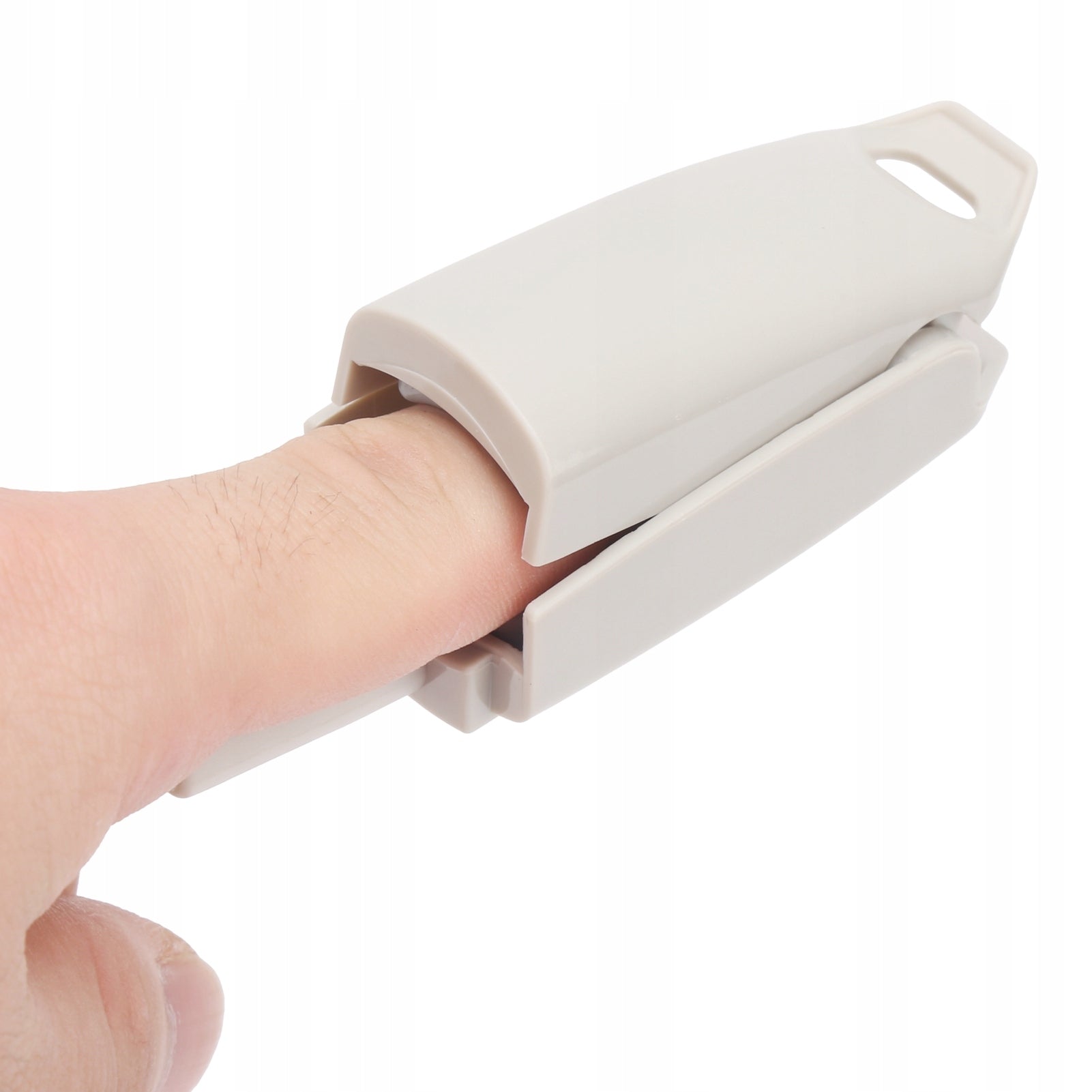
Designed for adults weighing 40 kg/88,18 pounds, clamped on the index finger or any other finger.
The SpO2 measurement range is 70 to 100, ensuring accurate measurement and fast squeegeeing.
Product Type: Blood Oxygen Measurement Probe
Material: Plastic
Fits CSI models, others are not compatible
Specification: 660 nm/905 nm/940 nm LED
Maximum output power: 15 mW
Designed for adults weighing 40 kg, clamped on the index finger or any other finger.
Spo2 measuring range: 70 – 100
Spo2 measurement accuracy: +-2 at 90 – 100, +-3 at 70 – 89
Heart rate measurement range: 30 to 245 beats per minute
Heart rate measurement accuracy: +-3 beats per minute
construction: Comes with plug, cable and probe
Usage: Used in pulse oximeters and multiparameter monitors for continuous and non-invasive collection and transmission of heart rate signals and oxygen saturation of patients (adults weighing 40 kg); not suitable for monitoring under sabey perfusion and physical effusion conditions. The probe is not suitable for long-term monitoring. It should be checked every 4 hours or measured with 2 fingers.
Warning:
A) Inappropriate use will result in inaccurate measurement.
B) Too strong a world will cause inaccurate measurement. In some cases, you should use a piece of opaque matter to ossate the world around the sensor.
(C) The oxygen saturation probe shall be moved to a new location at least every 4 hours. Since local skin conditions affect its resistance to probe placement, it is necessary to change the sensor position frequently, depending on the condition of some patients. If the skin condition changes, the probe should be moved to another location.
D) The dye in the blood vessel will cause inaccurate measurement.
E) The action of the probe can be atwo disrupted by physical activity, therefore it is not suitable for active patients.
F) Do not use belts to attach the probe or tie it to a vein, as venous pulsation will result in inaccurate saturation measurement.
G) As with other devices, cables should be used so that they do not get tangled or suffocate the patient.
H) Do not use during MRI scanning. Conductive current can cause burns. In addition, the probe for measuring blood oxygen saturation affects the image of the MRI, and the MRI device itself also affects the accuracy of blood oxygen measurement.
I) Do not change or modify this product. This can affect its performance or accuracy.
J) Do not use radiation, steam or ethylene oxide for degassing.
K) Do not immerse the product in liquid for cleaning and degassing.
L) Mobile phones or mobile RF communication devices can influence the operation of this sensor.
How to use:
1) Place your index finger on the pulse oximeter probe sensor window and tap the stop button at the end of your finger.
2) Too large a nail can make it difficult to touch the stop button with your fingertip.
3) Open the bottom cover of the sensor finger clamp to press the gasket evenly over the entire length. Check the sensor's poses. If your index finger is placed incorrectly or cannot be used, you can use other fingers or other types of oxygen sensors. Do not use the pulse oximetry probe on children's thumbs or fingers or feet or on all donias and feet.
Note: When choosing where to place the sensor, priority should be given to the place on the limb without an arterial catheter, a cuff for measuring blood pressure and an intravenous drain.
4) When placing the sensor, guide the cable along the doni ridge.
5) Connect the pulse oximeter probe to the pulse oximeter and check whether the operating procedure is in accordance with the steps described in the operating instructions.
Note: If the sensor cannot accurately monitor your heart rate, it means that your heart rate is incorrect or too thick, too thin, or too pigmented to ensure the correct transmission of the world. In this case, change the sensor position or select inny sensor type.
Maintenance, cleaning, disinfection and sterilization:
A) Please check that the product is not damaged and clean before use.
B) Cleaning: For cleaning, soak a warm cloth in a worthy detergent or soap solution. After cleaning, the product should be thoroughly dried.
C) Disinfection: Chemical disinfectants such as ethanol, propanol or phenol should be used. Note: Do not immerse the product in liquid. Avoid exposure to strong ultraviolet radiation.
D) Sterilization: Sterilise with ethylene oxide (EtO) at a maximum temperature of 50C/122F, and then provide the necessary ventilation according to the recommendations of the sterilizer manufacturer.
Service life: It is recommended to replace the sterilizer every 6 months. If it is still necessary to use it, it should be evaluated and carefully inspected during use.
Storage method: After cleaning, disinfecting and drying the product, place it in a tightly closed plastic bag.
The environment should meet the following conditions:
Temperature10 ~ +40
Relative flaccidity: not more than 80
Atmospheric pressure: 86 kPa ~ 106 kPa
Specifications
| Group | Name | Value |
|---|---|---|
| Parametry | Condition | new |
| Parametry | Invoice | Without VAT invoice |
| Parametry | Medical device | no |
| Parametry | Brand | no brand |
| Parametry | Model | 2588271111210004911 |
| Parametry | Color | white |
| Parametry | Power supply | mains |
| Parametry | EAN (GTIN) | 0650792384712 |
| Parametry | Manufacturer code | 2588271111210004911 |
| Parametry | Packaging status | original |
| Parametry | Batteries included | no |